
Loose diamonds are among the most concentrated forms of value a person can own, yet they're often treated with far less care than their price tag deserves. A diamond left loose in a drawer or tossed into a jewelry box with other stones can suffer scratches, get misplaced, or simply lose the brilliance that made it special in the first place.
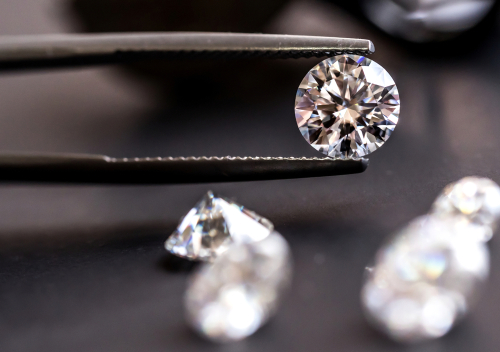
Whether you're holding a stone while you design a custom setting or keeping a collection as an investment, knowing how to safely store your loose diamonds protects both their physical condition and their long-term value. This guide walks through practical, expert-backed methods for storing natural diamonds the right way.
Why Proper Storage Matters More Than You Think
Diamonds are the hardest natural material on earth, but that hardness creates a unique problem: a diamond can scratch another diamond, and it can scratch nearly everything else too. Storing loose diamonds safely isn't about protecting them from breaking. It's about protecting them from each other, from dust and debris, and from the simple human error of misplacing something small and easily lost.
There's also the emotional and financial weight to consider. If you're exploring options to choose your diamond for a custom piece, you've likely invested real time and thought into selecting that stone. Proper storage preserves the work you've already put in.
Best Containers for Loose Diamonds
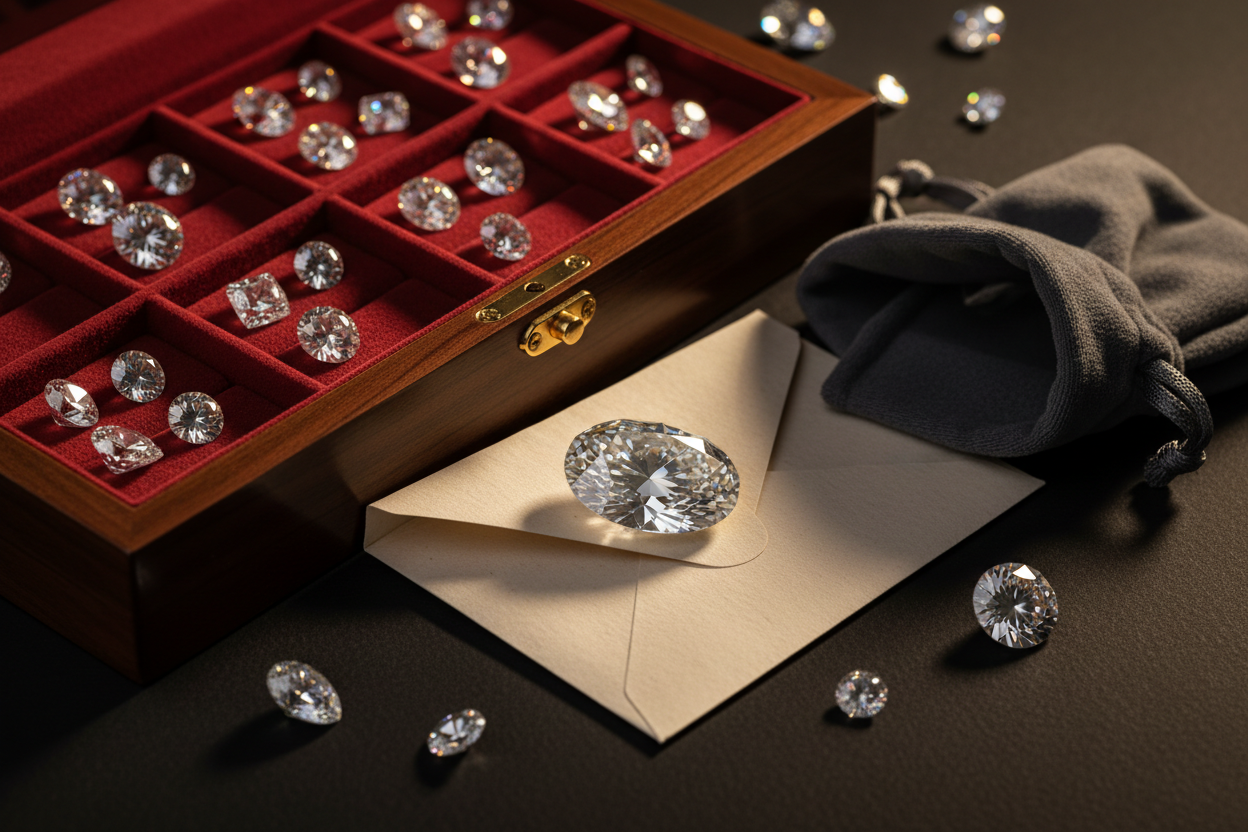
The best containers for loose diamonds share three qualities: individual compartments, soft interior lining, and secure closures. Avoid anything that allows stones to roll around freely or knock against one another.
- Diamond storage boxes with individual slots: purpose-built jewelry cases with foam or velvet-lined compartments are the gold standard. Each diamond gets its own slot, eliminating contact with other stones entirely.
- Diamond papers (jewelers' folds): small folded paper envelopes, the kind used by professional jewelers, are excellent for single-stone storage and travel. They're inexpensive, compact, and keep a stone isolated and visible through the folding design.
- Fabric pouches with dividers: soft pouches made of microfiber or velvet, especially those with built-in dividers, offer cushioning and portability for those who need to transport stones occasionally.
- What to avoid: plain plastic sandwich bags, loose cotton balls, or any container without separation between stones. These options invite scratching and offer little protection against loss.
How to Store Natural Diamonds Individually
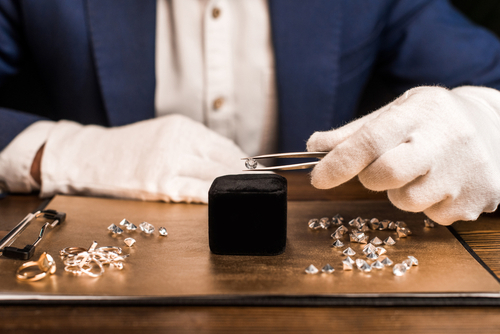
One of the most important rules in diamond storage is separation. Diamonds should never touch other diamonds and ideally shouldn't touch other gemstones either, since diamond dust and edges can damage softer materials over time.
Each stone deserves its own slot, fold, or pouch compartment. This single habit prevents the majority of storage-related damage. It also makes inventory management far simpler, since you can see at a glance which stone is which without unwrapping a tangle of jewelry. Understanding the natural characteristics of each stone helps too. Our natural diamond philosophy page explains what gives each diamond its individual character, which can guide how carefully a particular stone should be handled and stored.
Loose Diamond Storage Solutions for Long-Term Protection
For those holding diamonds as part of a broader collection or investment strategy, a few additional loose diamond storage solutions are worth considering.
- Climate control: keep stones in a cool, dry, stable environment. While diamonds themselves are not damaged by humidity, the metal clasps, fabric linings, or paper folds protecting them can degrade in damp conditions, and mounting settings can tarnish.
- Secure, fixed locations: a home safe or bank safety deposit box adds a layer of theft protection that a jewelry drawer cannot. For high-value loose stones, this is often worth the extra step.
- Documentation alongside storage: keep certification papers, appraisals, and receipts stored near, but not necessarily with, the physical stones. This creates a clear record for insurance purposes and resale.
Protecting Loose Diamond Investments Over Time
Protecting loose diamond investments requires periodic attention, not just a one-time setup. Inspect storage containers every few months for wear, check that compartments are still secure, and reassess your insurance coverage as values shift in the market.
Consider also building a simple inventory log, noting carat weight, cut, clarity, and color for each stone. This habit pays off both for insurance claims and for tracking how your collection has grown over time.
Protect What Matters with Rummele's
At Rummele's, we believe that the care you give a diamond should match the craftsmanship that went into cutting and grading it. If you have questions about storage, setting, or anything else related to your stones, our team is ready to help. Visit our FAQ page for quick answers, or reach out directly.
FAQs
What type of storage container or box is best for holding natural, loose diamonds?
A jewelry box with individual, soft-lined compartments is ideal. These prevent stones from touching one another and reduce the risk of scratching during storage or transport.
Why should natural loose diamonds be stored individually rather than together?
Diamonds are hard enough to scratch each other; even briefly bumping together can cause surface damage. Individual storage keeps each stone in pristine condition.
Is it safe to use paper envelopes or small plastic bags for loose diamond storage?
Folded paper jewelers' envelopes are safe and commonly used by professionals. Plastic bags are riskier, since static can attract dust and stones can shift and rub against each other inside.
How do individual soft-lined compartments or fabric pouches help protect loose diamonds?
The soft lining cushions the stone against impact, while the compartment structure keeps it physically separated from other diamonds or jewelry pieces nearby.
Should loose diamonds be kept in a climate-controlled environment like a cool, dry place?
Yes. While the diamonds themselves are resilient, a cool, dry environment protects the surrounding storage materials and any metal components from humidity-related damage.